
The Physical Symptoms of Glossophobia — and What Each One Means
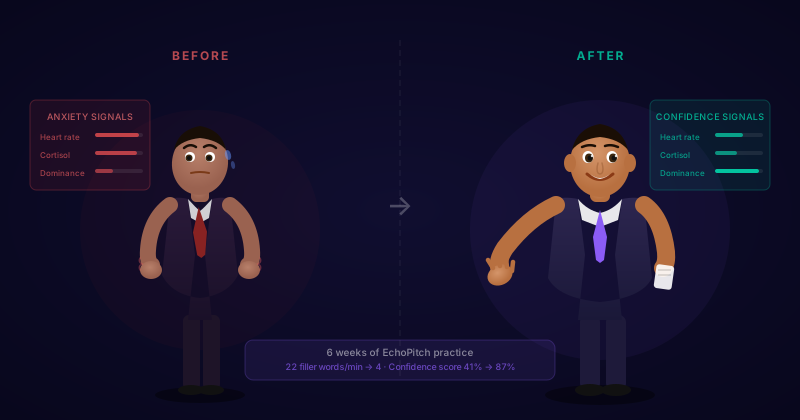
Every symptom has a biological reason. Understanding them makes them slightly less terrifying.
Quick Answer
Glossophobia — the fear of public speaking — produces a predictable set of physical symptoms because it activates the sympathetic nervous system's fight-or-flight response to a perceived social threat. Common symptoms include a racing heart, as adrenaline pumps blood toward muscles that never actually use it; shaking hands and legs, from muscle tension with nowhere to release; voice tremor, caused by tension in the laryngeal muscles; dry mouth, from saliva production dropping as the fight-or-flight system overrides digestion; sweating and flushing, the body's anticipatory cooling mechanism; nausea, as digestion slows under threat response; and mind going blank, caused by cortisol impairing the working-memory function of the prefrontal cortex. For most people, these symptoms peak in the first two to three minutes of a presentation, then subside once the brain registers that the situation isn't actually dangerous. The exception is mind going blank, which can recur if a difficult question triggers a fresh cortisol spike.
MBA, Bayes Business School · Founder, Cavefish · May 2026
Glossophobia produces a predictable set of physical symptoms because it activates a predictable biological system: the sympathetic nervous system's fight-or-flight response. Understanding why each symptom happens — and what it actually means for your performance — reduces the secondary anxiety of worrying about the symptoms themselves.
What do physical symptoms of glossophobia feel like in practice?
Racing heart (tachycardia)
Biology
Adrenaline signals the heart to pump more blood to muscles in preparation for physical action. In a presentation context, the muscles never use this extra supply — but the racing heart happens regardless.
What it means for you
High arousal signal. Peaks in first 2–3 minutes, usually subsides once the brain receives feedback that the situation is safe.
Shaking hands or legs
Biology
Adrenaline-primed muscles release energy through tremor when the expected physical action (fight or flight) does not occur. The muscle tension has nowhere to go.
What it means for you
Most visible in the first few minutes. Using deliberate gestures redirects the energy and reduces visibility.
Voice tremor
Biology
Tension in the laryngeal muscles (voice box) caused by heightened sympathetic nervous system activation. The vocal folds tighten unevenly, producing audible tremor.
What it means for you
Diaphragmatic breathing and slower pace reduce vocal tremor. Humming beforehand warms and loosens the laryngeal muscles.
Dry mouth
Biology
The parasympathetic nervous system controls saliva production. When the sympathetic (fight-or-flight) system overrides it, saliva production drops sharply.
What it means for you
Water helps short term. Slower, deliberate speech reduces the impact of reduced salivation.
Sweating and flushing
Biology
The body redirects blood to large muscle groups (away from the skin in the face initially, then causes flushing as circulation responds). Sweating is a cooling mechanism for the anticipated physical exertion.
What it means for you
Temperature regulation helps (avoid warm rooms). Hydration reduces both.
Mind going blank
Biology
Cortisol impairs working memory function. The prefrontal cortex — responsible for complex thought and retrieval — is partially suppressed under high cortisol load. The brain prioritises threat response over complex cognition.
What it means for you
The most frightening symptom. Highly scripted openings reduce reliance on working memory when cortisol is highest (first 2 minutes).
Nausea
Biology
The digestive system slows or stops under sympathetic activation (digestion is non-essential during a threat). This causes the nausea sensation many people experience before presenting.
What it means for you
Light food 2 hours before presenting. Avoid heavy meals. The sensation usually passes once presenting begins.
The Single Most Important Thing to Know
Almost every physical symptom of glossophobia peaks in the first two to three minutes of a presentation, then subsides. Your brain receives feedback that you are not actually being attacked, and the threat response gradually de-escalates. If you can get through the opening, your body usually settles.
The exception is mind going blank, which can recur if a difficult question triggers a secondary cortisol spike. This is why having scripted answers for likely Q&A questions is as important as scripting your opening.
With regular practice, the initial symptom intensity reduces. The brain learns the situation is safe. Each practice session is evidence that the threat appraisal is wrong.
Sources
- Stein, M. B., & Stein, D. J. (2008). Social anxiety disorder — The Lancet, 371(9618), 1115-1125.
- Kessler, R. C., et al. (2005). Lifetime prevalence of DSM-IV disorders — Archives of General Psychiatry, 62(6), 593-602.
- Davidson, J. R. (2003). Pharmacotherapy of social anxiety disorder — Journal of Clinical Psychiatry, 64(Suppl 1), 9-14.
Desensitise the Response Through Practice
EchoPitch lets you practise privately with instant AI feedback. Each session teaches your nervous system that presenting is safe — gradually reducing the severity of physical symptoms over time.
Start practising free →Get daily tips on Reddit
Join our community for presentation tips, Q&A, and support.